The Role of Tasbeeh in Zikr: Spiritual and Scientific Benefits
Zikr is an important part of Islamic worship. It means remembering Allah through words, thoughts, and actions. In Pakistan, many…
Walk into any fragrance shop in Pakistan and you’ll face an immediate choice — should you buy attar or perfume? Both smell wonderful, both come in attractive bottles, and both promise to make you smell good throughout the day. Yet these two products are fundamentally different in ways that affect everything from their scent longevity to their spiritual acceptability.
Understanding the difference between attar and perfume helps you make smarter buying decisions, choose appropriate fragrances for different occasions, and potentially save money in the long run. This guide breaks down everything you need to know about these two popular fragrance options.
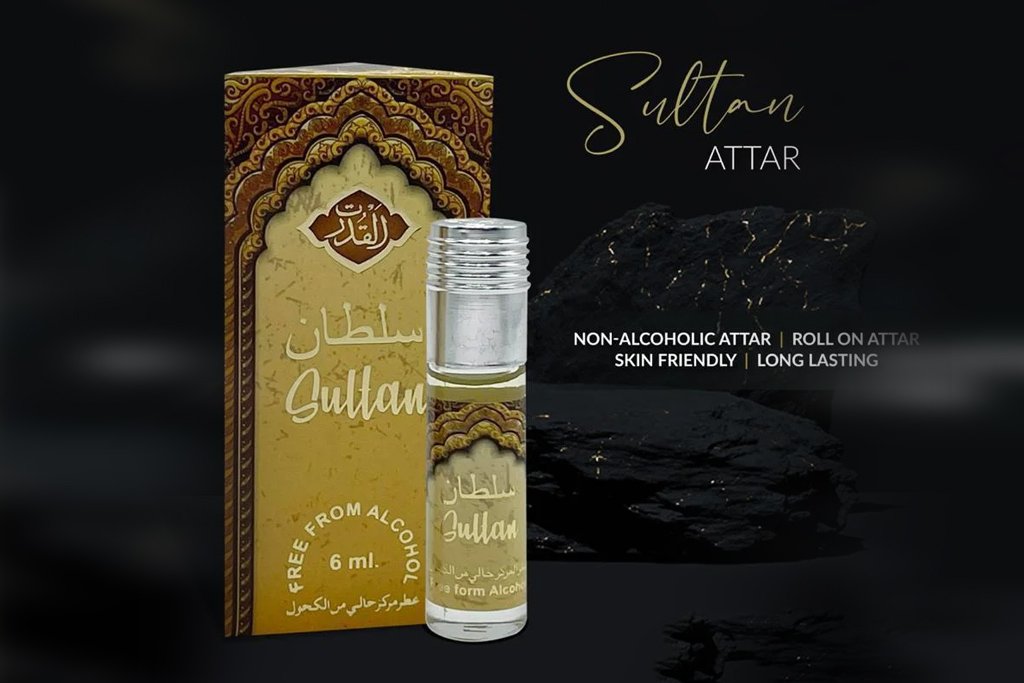
Attar — also called ittar or essential oil perfume — is a traditional fragrance that has been used in Islamic culture for centuries. The word “attar” comes from the Persian word for fragrance or essence.
Traditional attar production follows an ancient method called hydro-distillation. Craftsmen place flowers, herbs, or wood in large copper vessels filled with water. As the water heats, steam carries the aromatic compounds through a bamboo pipe into another vessel containing sandalwood oil.
This process can take days or even weeks depending on the raw material. Rose attar, for example, requires distilling thousands of rose petals to produce just a few milliliters of concentrated fragrance. This labor-intensive process explains why genuine attars often cost more than commercial perfumes.
The base of most attars is sandalwood oil, though some modern producers use other carrier oils. This oil base is crucial — it’s what makes attar completely alcohol-free.
Quality attars contain only natural ingredients extracted from flowers, spices, woods, and herbs. Common sources include roses, jasmine, saffron, oud (agarwood), vetiver, and musk.
Each ingredient brings its own therapeutic and aromatic properties. Rose attar calms the mind and promotes emotional balance. Oud attar carries a deep, woody complexity that’s highly prized in Islamic culture. Amber attar provides warmth and longevity.
Because attars use natural materials, their scents can vary slightly between batches — just like how mangoes from different trees taste slightly different even though they’re the same fruit. This natural variation is actually a sign of authenticity.
The most significant characteristic of traditional attar is that it contains zero alcohol. This makes attar permissible (halal) for Muslims who follow strict interpretations regarding alcohol use on the body.
Many practicing Muslims prefer attar specifically because they can apply it before prayer without any concerns about alcohol invalidating their wudu (ablution). This spiritual consideration drives strong demand for authentic attars throughout the Muslim world.
Modern perfumes are synthetic or natural fragrances suspended in an alcohol base. The perfume industry as we know it today developed in Europe during the 19th and 20th centuries, though fragrance use dates back to ancient civilizations.
Commercial perfumes combine fragrance compounds — both natural extracts and synthetic molecules — with alcohol and water. Perfumers create complex formulas that might include dozens or even hundreds of different scent ingredients.
The process is more scientific than traditional attar making. Perfume houses employ trained chemists and “noses” (master perfumers) who blend ingredients in precise ratios to create signature scents. Computer analysis helps maintain consistency across millions of bottles.
Modern perfume production can recreate scents that would be impossible or prohibitively expensive to extract naturally. For example, synthetic musk molecules replace animal-derived musk, and chemical compounds can mimic the scent of fresh-cut grass or ocean spray.
Most commercial perfumes contain 70-90% alcohol (usually ethanol). The alcohol serves several important functions in perfume formulation.
First, alcohol helps dissolve both water-soluble and oil-soluble fragrance compounds, allowing perfumers to blend a wider range of ingredients. Second, alcohol evaporates quickly when sprayed on skin, helping to disperse the fragrance molecules into the air around you. Third, alcohol acts as a preservative, preventing bacterial growth in the perfume bottle.
However, this high alcohol content is precisely why many Muslims avoid conventional perfumes. Islamic scholars disagree on whether alcohol-based perfumes are permissible, with some allowing it and others prohibiting it due to the alcohol content.
Modern perfumes can contain all-natural ingredients, all-synthetic ingredients, or — most commonly — a mixture of both. Synthetic fragrance molecules aren’t necessarily inferior; in fact, they often provide better longevity, consistency, and safety than some natural extracts.
Many flowers simply cannot be captured through traditional distillation. Lily of the valley, for example, doesn’t produce essential oil, so perfumers must use synthetic compounds to recreate its scent. This opens up a much broader palette of possible fragrances than what’s achievable with natural ingredients alone.
Now that we understand what each product is, let’s examine the practical differences that affect your daily experience.
Attar typically lasts longer on skin than alcohol-based perfume. Because attar sits in oil, it doesn’t evaporate quickly — instead, it slowly releases fragrance throughout the day. Many people report attar lasting 8-12 hours or even longer.
Perfume creates stronger initial impact (called “sillage” — the scent trail you leave). When you spray alcohol-based perfume, people nearby immediately notice it. However, the alcohol evaporates within a few hours, and the scent fades more quickly than oil-based attar.
This difference affects how you apply each product. Perfume requires reapplication every 4-6 hours if you want continuous fragrance. Attar usually needs just one morning application.
You apply attar by dabbing a tiny amount on pulse points — wrists, behind ears, on the neck. The oil warms against your skin and gradually releases its scent. A single drop of concentrated attar goes a long way.
Perfume comes in spray bottles. You spritz it into the air and walk through the mist, or spray directly onto clothes and skin. The application is quicker and creates immediate coverage.
Some people prefer the ritualistic nature of applying attar — the small glass bottle, the careful dabbing, the gradual scent development. Others appreciate the convenience of a quick perfume spray before rushing out the door.
Attar is generally gentler on sensitive skin because it lacks the harsh alcohol found in conventional perfumes. The oil base actually moisturizes slightly rather than drying out skin.
Alcohol-based perfumes can irritate sensitive skin, cause dryness, or trigger reactions in people with certain skin conditions. If you have eczema, rosacea, or very dry skin, attar may be the better choice for you.
However, natural doesn’t automatically mean hypoallergenic. Some people are allergic to specific natural ingredients like jasmine or certain tree resins. Always patch-test any new fragrance before using it extensively.
Authentic, high-quality attar often costs more per milliliter than commercial perfume. A small 3ml bottle of pure oud attar might cost several thousand rupees, while a 50ml designer perfume might cost less.
However, because attar is so concentrated, you use far less per application. That expensive 3ml bottle might actually last longer than a 100ml perfume bottle. When you calculate cost-per-use rather than cost-per-bottle, attar often proves more economical.
Budget matters here — you can find affordable synthetic “attars” that are actually just fragrance oils, and you can find extremely expensive niche perfumes. Quality and price vary widely in both categories.
In Islamic culture, attar carries special significance beyond just smelling nice. The Prophet Muhammad (peace be upon him) reportedly loved pleasant fragrances, and using alcohol-free attar aligns with religious practices for many Muslims.
Applying attar before Friday prayers is a common practice. The alcohol-free nature means there’s no question about its permissibility. Some people also use specific attars like oud during Ramadan or other religious occasions.
Perfume doesn’t carry the same religious associations, though it’s not necessarily problematic either (depending on which scholarly opinion you follow). Many Muslims comfortably use both — perfume for casual daily wear and attar for religious occasions or personal preference.
Your choice between attar and perfume depends on several personal factors.
If you’re strictly avoiding alcohol for religious reasons, traditional attar is your clear choice. Look for authentic, oil-based attars from reputable sellers who can verify their products contain no alcohol.
If you want fragrance that lasts all day without reapplication, attar delivers better performance. The oil base ensures slow, steady scent release that persists through an entire workday or social event.
If you enjoy switching between many different scents or want quick spray-and-go application, commercial perfumes offer more variety and easier use. The perfume market provides thousands of options at every price point.
If alcohol irritates your skin or you have dermatological conditions aggravated by alcohol, oil-based attar is the gentler alternative. The moisturizing oil base won’t dry out or irritate sensitive areas.
If you’re watching your budget, calculate cost-per-use rather than just looking at bottle price. A small attar bottle might seem expensive initially but could outlast several larger perfume bottles due to concentration and longevity.
Absolutely — many fragrance enthusiasts maintain collections of both attars and perfumes. You might wear attar for Friday prayers and important Islamic occasions, while keeping perfumes for casual everyday use or special social events.
Some people even layer the two — applying attar as a base and spraying a complementary perfume on top. This creates unique scent combinations and can enhance longevity.
The key is understanding what each product offers and choosing appropriately for different situations in your life.
Attar and perfume represent two different fragrance philosophies — one rooted in ancient Islamic tradition with natural ingredients and oil bases, the other in modern chemistry with alcohol suspension and synthetic possibilities.
Neither is inherently better than the other — they simply serve different needs and preferences. Attar offers alcohol-free formulation, impressive longevity, and cultural significance. Perfume provides variety, convenience, and often more affordable entry-level options.
The best approach is to try both and see which resonates with your lifestyle, beliefs, and preferences. Your nose — and your conscience — will guide you to the right choice.