How to Choose the Right Quran for You: A Complete Guide
How to Choose the Right Quran for You: A Complete Guide The Quran is not just a book — it…
For anyone beginning their Quran learning journey, one of the first questions that comes up is:
Should I study the Quranic Para with translation—or without translation?
Both formats have unique benefits, and choosing the right type depends on your goals, level of understanding, and where you are in your Quran learning journey. This comprehensive guide will help you understand the differences, their advantages, who each type is best for, and how you can pick the perfect Para format for consistent and meaningful learning.
A Para (also known as a Juz) is one of the 30 equal divisions of the Holy Quran. Each Para allows learners to study the Quran in organized, manageable portions—especially helpful for:
Daily recitation
Memorization
Tajweed practice
Structured learning
Today, Para books come in two main formats:
Para without translation
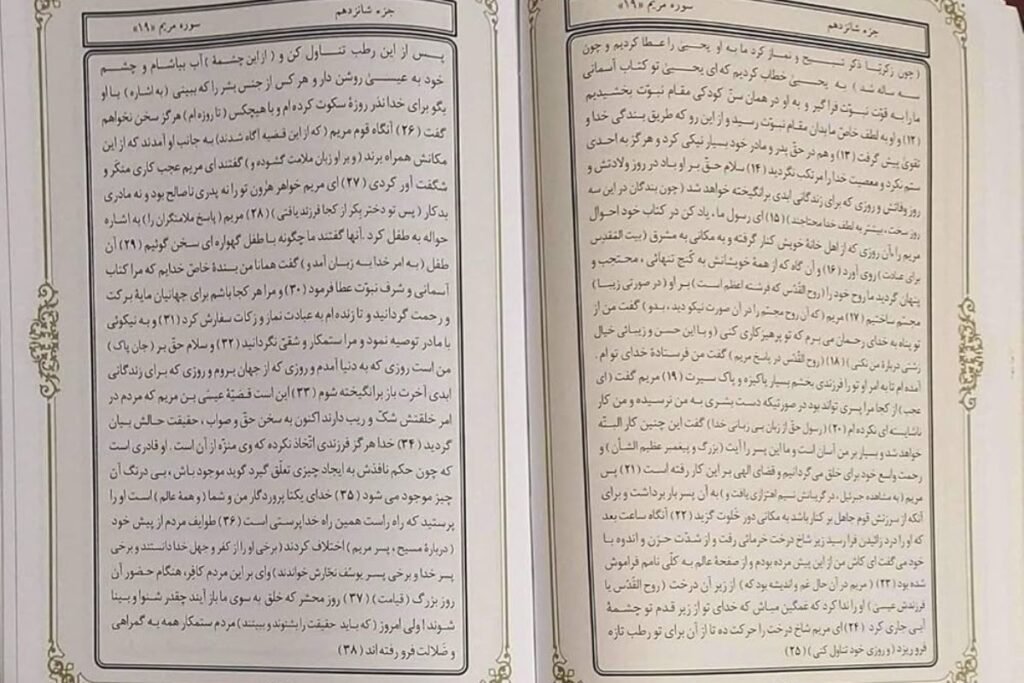
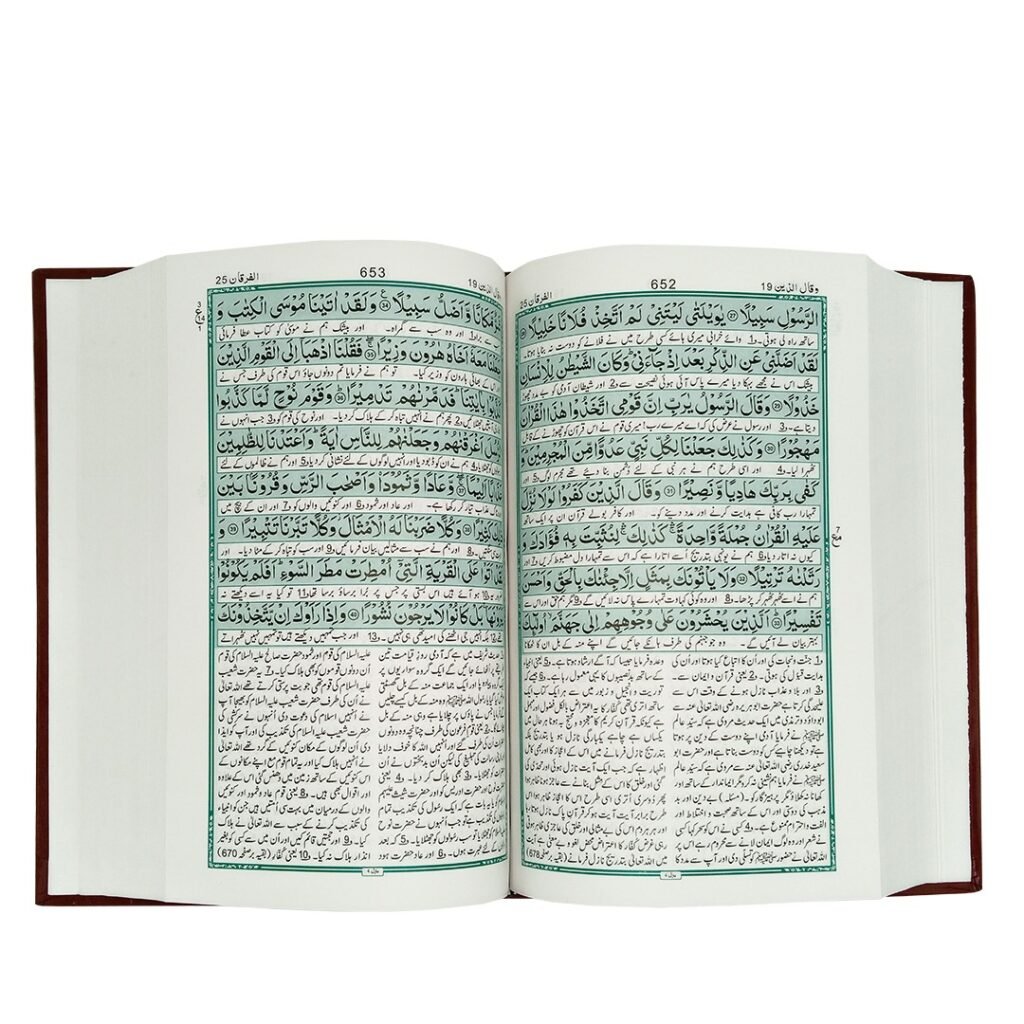
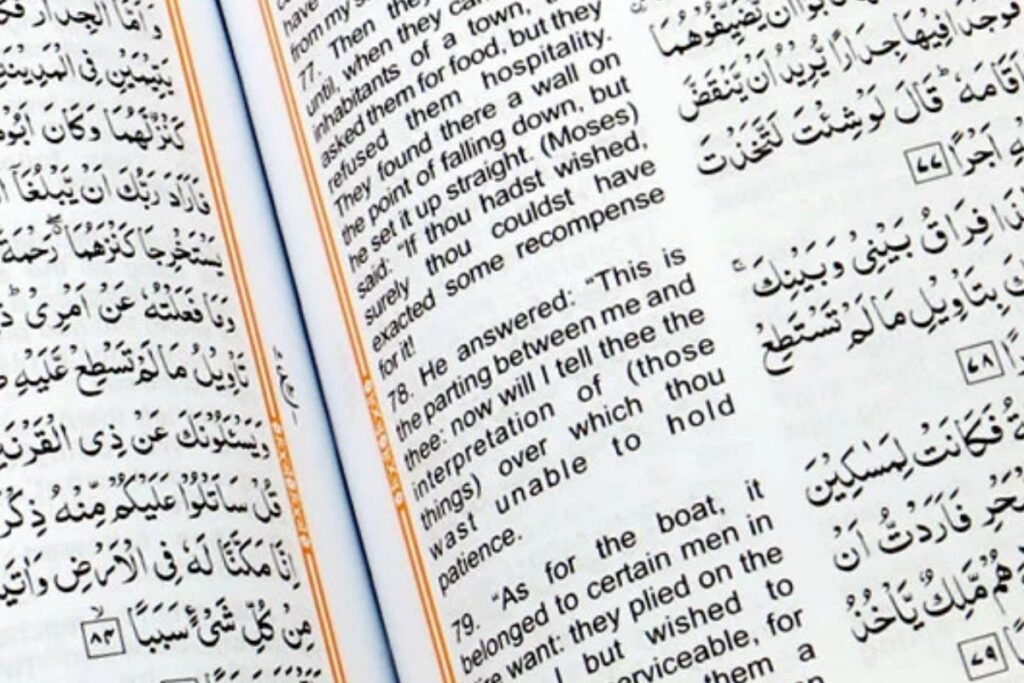
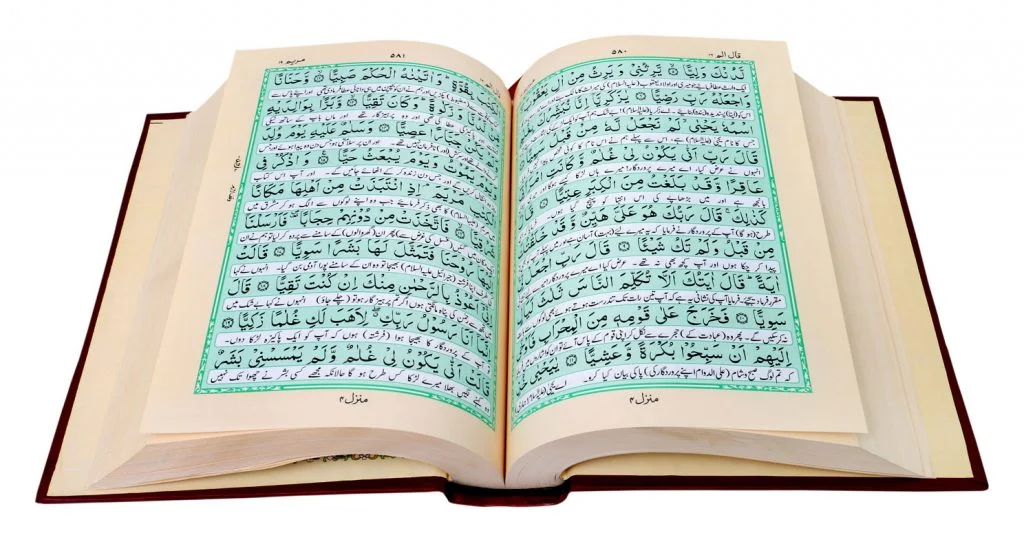
Para with translation (word-by-word or full translation)
Let’s explore these in detail.
A Para without translation contains only the Arabic text of the Quran.
This is the most traditional and widely used format for:
Recitation
Memorization
Tajweed practice
Taraweeh preparation
You should choose a Para without translation if:
You already know how to read Arabic fluently
You want to improve tajweed
You prefer not having extra text on the page
You’re memorizing specific Surahs or full Quran
You want to avoid distractions while reciting
Many students—especially young children—find a simple Arabic-only page easier to follow.
Since there’s no additional text on the page, learners focus purely on pronunciation and rules.
Memorization becomes easier when the visual pattern of the Arabic text remains consistent.
If your goal is khatam, this format is smooth, simple, and straightforward.
A Para with translation includes the Arabic text + translation (either Urdu or English).
Some versions also include:
Word-by-word meaning
Explanation footnotes
Synonyms
Short tafsir-style notes
Choose a Para with translation if:
You want to understand the Quran deeply
You’re studying meanings, not just reciting
You’re an adult learner
You want to reflect on Allah’s commandments
You want to build a strong connection with the Quran
Reciting with meaning significantly increases khushu’, reflection, and spiritual growth.
Adults often need context, translation, and clarity for a more meaningful connection.
Tafsir classes, Islamic study circles, and personal study sessions benefit greatly from translations.
When you understand the message, you are naturally motivated to keep reading.
Here’s the simplest way to decide:
| Your Goal | Best Option |
|---|---|
| Improve recitation & tajweed | Without translation |
| Memorize Quran | Without translation |
| Learn meaning & message | With translation |
| Deep Islamic study | With translation |
| Daily recitation only | Without translation |
| Reflection & comprehension | With translation |
Most learners eventually benefit from both formats at different stages of their journey.
Many beginners struggle with this decision. The right choice depends on:
Children → Start with Para without translation
Adult beginners → Start with Para with translation
Want to strengthen tajweed? → Without translation
Want to understand? → With translation
Not fluent in Arabic yet? → With translation (more guidance)
Already fluent? → Without translation
Most Quran academies teach students Arabic reading first—then translation later.
This is because:
Too much text overwhelms new readers
Beginners need focus on letters, makharij, and pronunciation
Translations can distract from learning tajweed
Once reading becomes fluent, introducing a Para with translation becomes easier and more beneficial.
Adults learn differently than children.
They want to understand:
What Allah is telling them
Why certain commandments exist
How to apply Quranic guidance in daily life
That’s why Para with translation helps adults connect emotionally and intellectually with the Quran.
There are two types of translated Paras:
Each Arabic word has its translation under or beside it.
Best for:
Beginners in translation
People learning vocabulary
Students preparing for tafsir courses
Arabic text on one side + full Urdu/English translation on the other.
Best for:
Deep understanding
Adults
Study circles
Many learners use a hybrid method:
Recite from a Para without translation (for tajweed / fluency)
Study meaning from a Para with translation (for understanding)
This combination gives complete learning: recitation + comprehension.
Here is a quick decision checklist:
Choose Para without translation
Choose Para without translation
Choose Para with translation
Choose Para without translation
Choose Para with translation
Choose Para with translation
There’s no one-size-fits-all answer. The best type of Para depends entirely on your learning goals:
If your focus is recitation, tajweed, or memorization → choose without translation
If your focus is understanding, reflection, and spiritual connection → choose with translation
Most learners use both formats at different points, and that’s perfectly normal.
What matters most is consistency, sincerity, and learning with the intention of getting closer to Allah.
It’s not obligatory, but highly beneficial for deeper understanding and connection.
Kids should start with without translation, as translation texts can overwhelm them.
Yes, especially if your goal is Tajweed. But most adults also benefit from translation for meaning.
Choose the language you understand best.
For accuracy, pick a well-known and authentic translation.
It’s possible, but not recommended. Translation text may distract from memorization.