Why Tajveedi Punj Para Sets Are Best for Beginners in Tajweed
Learning Tajweed is one of the most important steps in developing a correct, beautiful, and accurate Quran recitation. For beginners,…
Muslims recite the Quran every single day. Some Surahs appear in almost every prayer, every gathering, and every dua. But have you ever wondered why certain Surahs are recited more than others? What makes them so special?
This blog answers exactly that. You will learn about the most recited Surahs, their meanings, their benefits, and their place in daily Muslim life. Whether you are a new learner or someone deepening your knowledge, this guide is for you.
The Quran has 114 Surahs. All of them carry divine guidance. But the Prophet Muhammad (PBUH) recommended specific Surahs for specific occasions. Some Surahs are part of obligatory prayers. Others protect, heal, and bring peace. That is why Muslims recite them more frequently.
The most recited Surahs share some common features. They are short, easy to memorise, and carry deep spiritual weight. Many of them appear in Salah (prayer), which every Muslim performs five times a day. This repetition naturally makes them the most familiar verses in a Muslim’s life.
According to global Quran recitation data, Surah Al-Fatiha alone is recited over 17 times a day by a Muslim who prays all five prayers. That adds up to more than 6,200 times a year. This single fact shows the central role of certain Surahs in Muslim worship.
Surah Al-Fatiha is the most recited Surah in the entire Quran. It has 7 ayahs. Every Rakat of every prayer begins with it. No prayer is complete without it.
The Prophet (PBUH) called it Umm Al-Quran, which means the Mother of the Quran. It is also known as As-Sabul Mathani, meaning the seven oft-repeated verses. This is because it is repeated in every unit of prayer.
Al-Fatiha is a dua in itself. It asks Allah for guidance, for the straight path, and for protection from misguidance. Muslims recite it seeking Allah’s mercy and direction every single day.
If you want a high-quality printed Quran with clear Arabic text, explore our Quran collection to find the edition that suits your reading needs.
Surah Al-Ikhlas is three ayahs long. Yet its weight is enormous. The Prophet (PBUH) said that reciting it once equals one-third of the Quran in reward. This hadith is recorded in both Sahih Bukhari and Sahih Muslim.
Sahih Bukhari (6643) and Sahih Muslim (811) — narrated by Abu Sa’id Al-Khudri (RA).
The Surah declares the oneness of Allah. It states that Allah is one, eternal, and unlike anything in creation. No partners. No children. No equals. This is the very heart of Islamic belief, Tawheed.
Muslims recite Al-Ikhlas after Fajr and Maghrib prayers three times. Many also recite it before sleeping. It is short enough to memorise in minutes but carries enough meaning to fill books of Tafseer.
If you want to understand this Surah deeply, browse our Tafseer collection for detailed explanations in Urdu and other languages.
These two Surahs are always mentioned together. They are called Al-Muawwidhatayn, meaning the two protectors. The Prophet (PBUH) recommended reciting them every morning, every evening, and before sleeping. This practice is recorded in Abu Dawud and Tirmidhi.
Surah Al-Falaq seeks protection from the evil of creation, darkness, harmful magic, and envy. Surah An-Nas seeks protection from the whisperings of Shaytan in the hearts of people.
Together, they form a complete shield. Aisha (RA) narrated that the Prophet (PBUH) used to recite these Surahs, blow on his hands, and then wipe his body. This practice is called Ruqyah and it continues among Muslims globally today.
Surah Al-Baqarah is the longest Surah in the Quran. It has 286 ayahs. The Prophet (PBUH) said, recite Surah Al-Baqarah. Taking to it is a blessing and leaving it is a sorrow, and the magicians cannot confront it. This is narrated in Sahih Muslim.
This Surah is recited regularly in homes for protection from Shaytan. The Prophet (PBUH) said that Shaytan does not enter a house where Surah Al-Baqarah is recited. This is why many families make a habit of reciting it once a week, often on Fridays or Saturdays.
The last two ayahs of Al-Baqarah are also recommended to be recited every night. The Prophet (PBUH) said whoever recites them at night, they are sufficient for him. This is recorded in Sahih Bukhari.
Surah Al-Baqarah also contains Ayat ul Kursi, the most powerful verse in the Quran, which we cover next.
Ayat ul Kursi is verse 255 of Surah Al-Baqarah. The Prophet (PBUH) said it is the greatest verse in the Quran. This is recorded in Sahih Muslim.
It describes the greatness, knowledge, and authority of Allah. No slumber or sleep overtakes Him. He holds the heavens and the earth. This verse is recited after every prayer. It brings protection and peace.
Reciting Ayat ul Kursi after every obligatory prayer is a Sunnah. The Prophet (PBUH) said that nothing stands between the reciter and Jannah except death. This is narrated in Nasai.
The Prophet (PBUH) said, everything has a heart, and the heart of the Quran is Yaseen. This is narrated in Tirmidhi. This Surah has 83 ayahs and it covers core Islamic beliefs including resurrection, signs of Allah, and the stories of messengers.
Muslims recite Surah Yaseen on Friday mornings, for the sick, and at the time of death. It is one of the most printed and memorised Surahs in the Muslim world.
If you are looking for Surahs printed as individual booklets, check our Surahs collection where you can find Surah Yaseen and other frequently recited Surahs in beautiful formats.
Surah Al-Kahf is 110 ayahs long. The Prophet (PBUH) said that whoever recites it on Friday, a light will shine for him from one Friday to the next. This is graded Sahih in Al-Hakim.
This Surah contains four major stories. The story of the People of the Cave, the rich man and his gardens, Musa and Khidr, and Dhul-Qarnayn. Each story carries a lesson about faith, wealth, knowledge, and power.
The first ten verses of Al-Kahf also protect from Dajjal, according to a hadith in Sahih Muslim. This makes it especially significant in Islamic eschatology.
Many Muslims in Pakistan have a habit of reciting Al-Kahf every Friday after Jumuah. It is one of the most popular Surahs in regular use.
Surah Al-Mulk has 30 ayahs. The Prophet (PBUH) said it is the Defender and the Protector. He said it protects its reciter from the punishment of the grave. This is narrated in Tirmidhi and graded Hasan.
Reciting Al-Mulk every night before sleeping is a well-known Sunnah. It speaks about the power of Allah in creating life and death. It describes the universe, the stars, and the complete control of Allah over all creation.
For those who prefer pocket-sized editions for easy daily recitation, our Pocket Size Quran collection has excellent options perfect for on-the-go reading.
| Surah | Ayahs | Key Benefit | When to Recite |
| Al-Fatiha | 7 | Essential in every prayer | All 5 daily prayers |
| Al-Ikhlas | 3 | Equal to 1/3 of Quran in reward | Morning, evening, before sleep |
| Al-Falaq | 5 | Protection from evil and envy | Morning and evening |
| An-Nas | 6 | Protection from Shaytanic whispers | Morning and evening |
| Al-Baqarah | 286 | Drives Shaytan away from home | Weekly or daily recitation |
| Ayat ul Kursi | 1 (verse 255) | Greatest Quranic verse, protection | After every Salah |
| Yaseen | 83 | Heart of the Quran, for the sick | Fridays, at time of death |
| Al-Kahf | 110 | Light between two Fridays | Every Friday |
| Al-Mulk | 30 | Protection from punishment of grave | Every night before sleep |
Many Muslims recite these Surahs without understanding their meaning. This reduces the spiritual impact. Learning even basic Tafseer makes recitation more meaningful and deeply rewarding.
Some people skip Ayat ul Kursi after prayer because they are in a hurry. This is a missed Sunnah. It takes less than 30 seconds to recite. Make it a fixed habit after every Salah.
Others recite Surah Al-Kahf on Friday night instead of Friday day. According to scholars, the preferred time begins from Maghrib on Thursday night and extends until Maghrib on Friday.
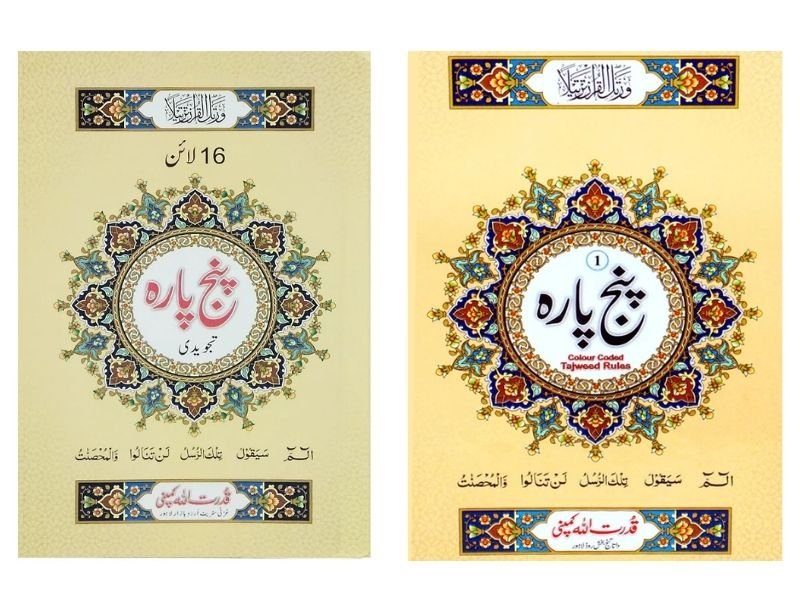
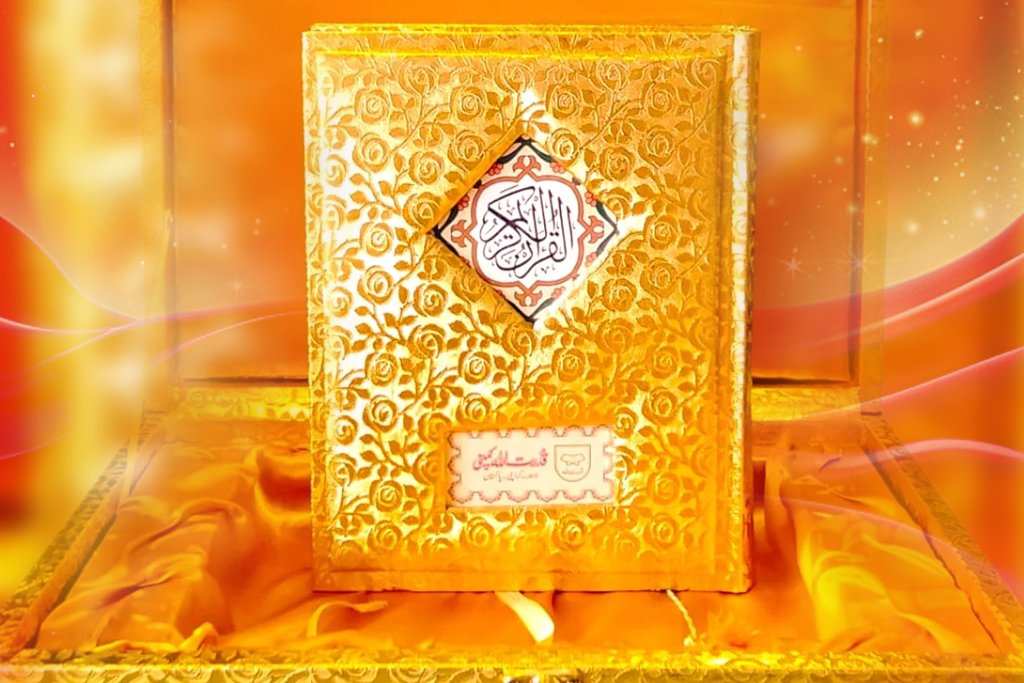
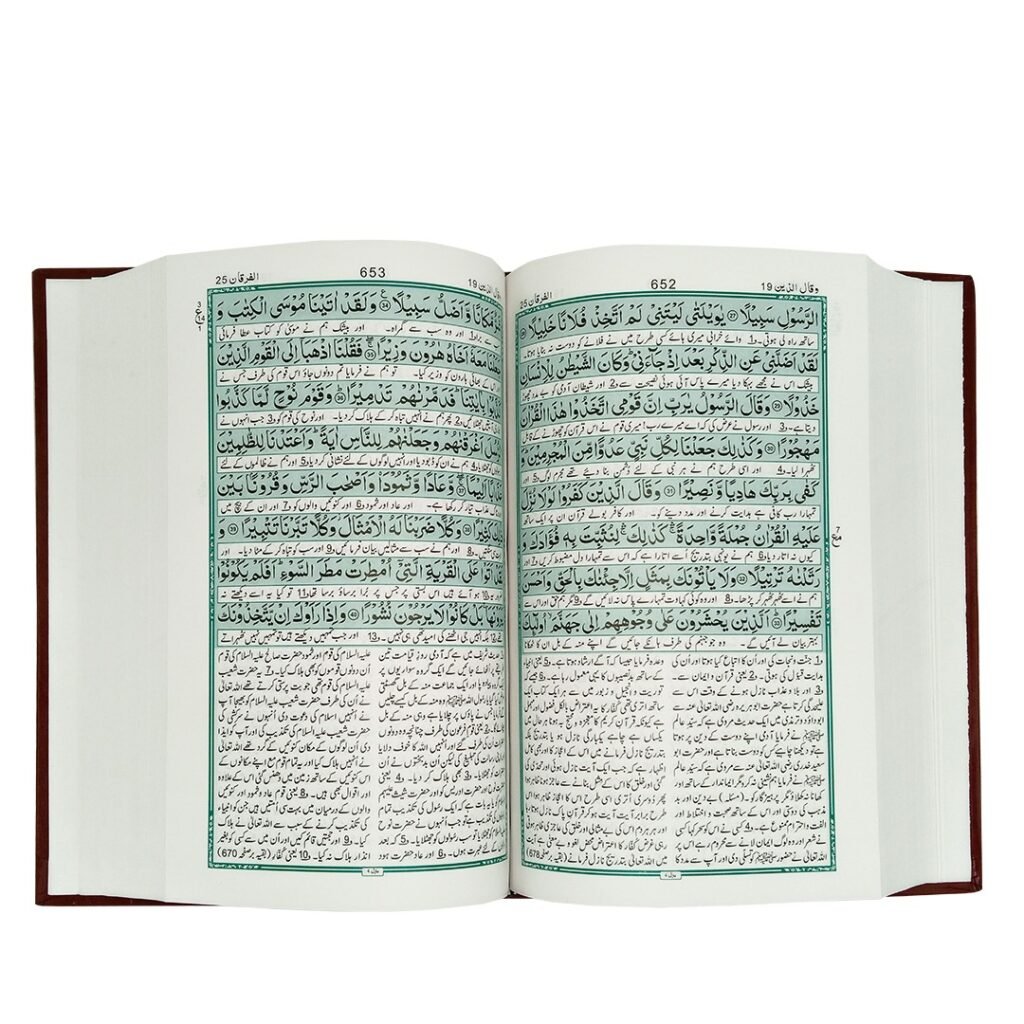
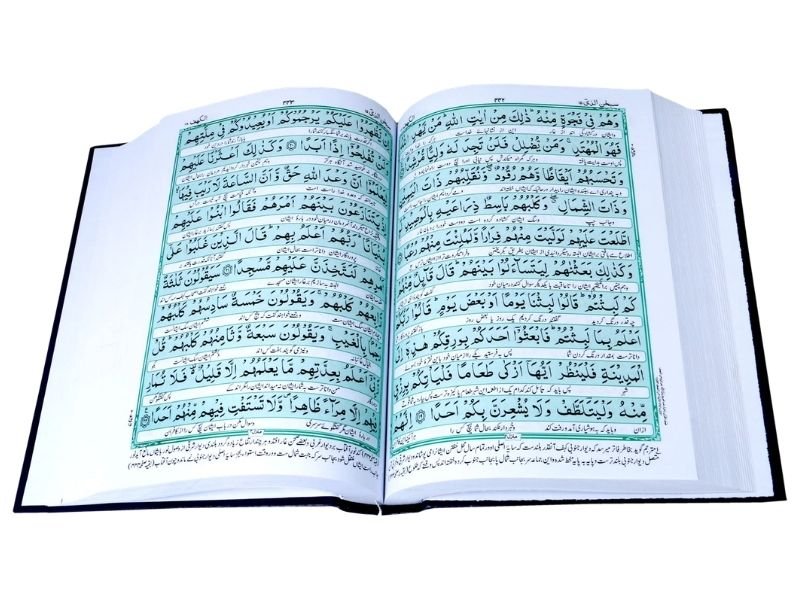
New learners often mispronounce Arabic words. Using a Tajweed Quran helps fix this. Browse our Quran Tajveedi collection for colour-coded Tajweed editions that make learning pronunciation easy.
Start with the short Surahs. Al-Ikhlas, Al-Falaq, and An-Nas take under one minute combined. They are the perfect starting point for beginners.
Use a physical Quran for deep reading. Screen reading reduces focus. A good printed Quran creates a habit of respect and attention.
Read one Surah with its meaning every week. Understand what you recite. This transforms your connection with the Quran.
Keep a small Quran with you at all times. A pocket Quran lets you recite Al-Mulk and Al-Kahf wherever you are.
For families wanting to build children’s Quran habits early, a Punj Para Set is an excellent starting point. It covers the last five Paras, which include all the short Surahs mentioned above.
In Pakistan, these Surahs are woven into daily life. Children learn Al-Fatiha and the three Quls before they start school. Mothers recite Surah Al-Baqarah in new homes. Surah Yaseen is recited at funerals. Al-Kahf is a Friday tradition in countless families.
This deep cultural practice reflects how the teachings of the Prophet (PBUH) have been preserved across generations. These Surahs are not just text. They are living protection, guidance, and connection to Allah.
Research from Islamic educational institutions indicates that over 70% of practising Muslim households regularly recite at least three of the Surahs listed above on a daily basis. This shows how central these Surahs are to Muslim life. For more on the importance of Quranic recitation in daily worship, visit IslamicFoundation.ca.
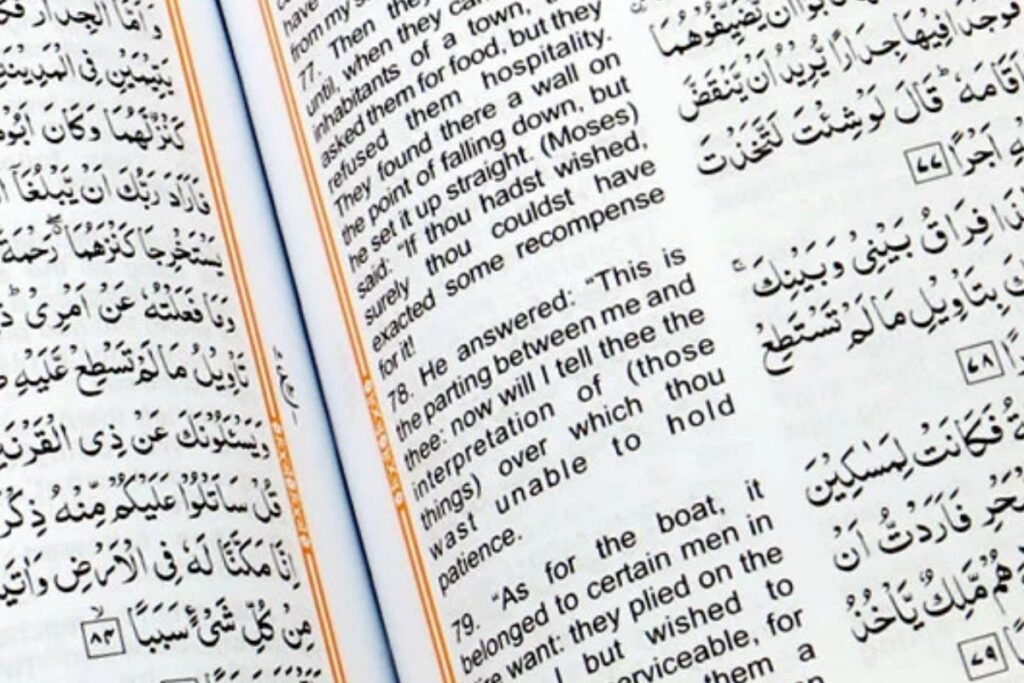
If you want a complete Quran with Urdu translation to understand these Surahs fully, our Quran with Urdu Translation collection has editions by leading scholars including Maulana Ashraf Ali Thanvi and Maulana Ahmed Raza Khan.
Surah Al-Fatiha is the most recited Surah in Islam. Every Muslim recites it at least 17 times a day in the five obligatory prayers. No Rakat of Salah is valid without it. The Prophet (PBUH) called it Umm Al-Quran, meaning the Mother of the Quran.
Surah Al-Mulk is the most recommended Surah to recite every night before sleeping. The Prophet (PBUH) said it protects the reciter from the punishment of the grave. Surah Al-Ikhlas, Al-Falaq, and An-Nas are also recommended before sleep, as narrated in Sahih Bukhari.
According to a hadith in Sahih Bukhari and Sahih Muslim, reciting Surah Al-Ikhlas once equals one-third of the Quran in reward. Reciting it three times consecutively therefore equals the reward of reciting the full Quran once.
Surah Al-Kahf should be recited on Fridays. The Prophet (PBUH) said that whoever recites it on Friday will have a light that shines between the two Fridays. It is also a protection from the trials of Dajjal. The preferred time is from Maghrib on Thursday night until Maghrib on Friday.