Who Translated Quran in Sindhi First Time?
The Holy Quran has been translated into many languages so Muslims around the world can understand its message. In Pakistan,…
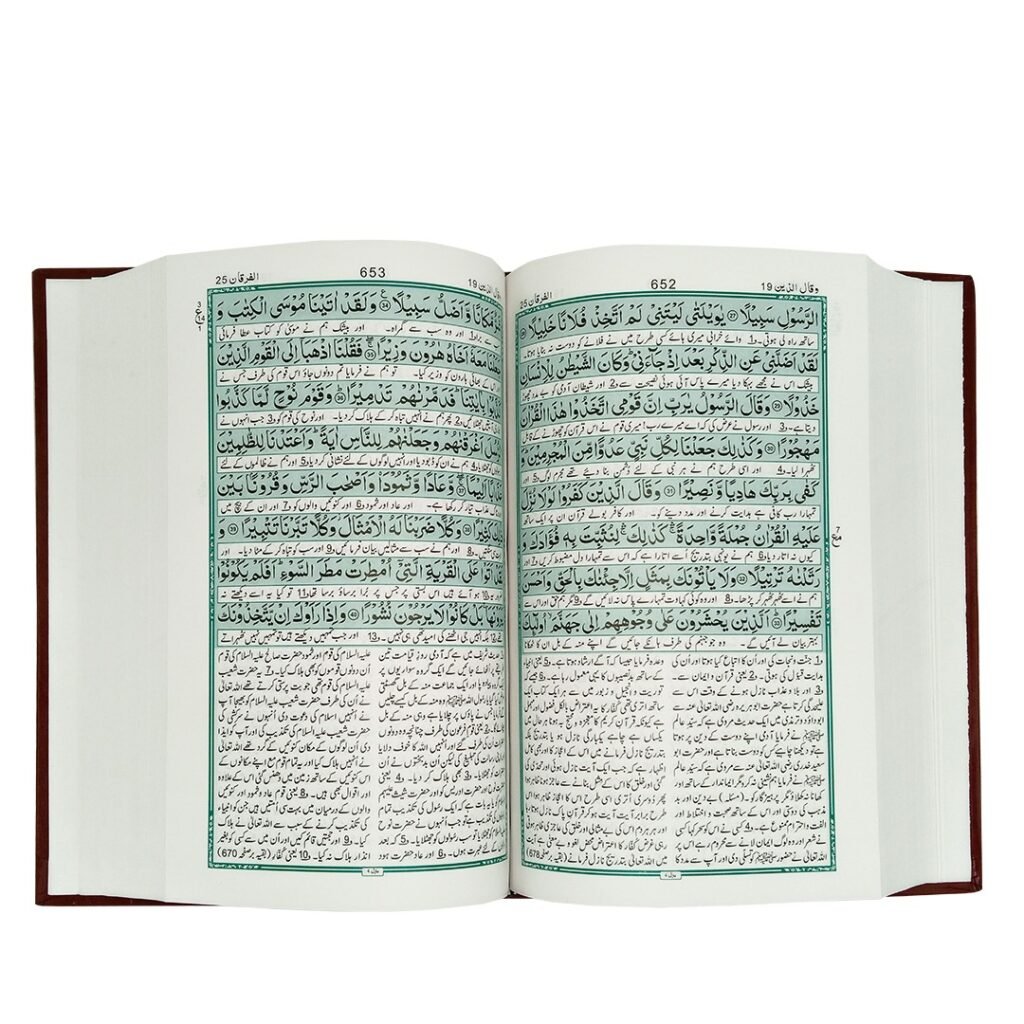
The Holy Quran is more than a book — it is the divine guidance, the word of Allah, and a sacred trust for every Muslim. Because of its spiritual significance, Muslims around the world take great care in handling, storing, and preserving their copies of the Quran. Whether you use a Punj Para set, a full Tajweed Quran, a translation Quran, or a pocket mushaf, proper care ensures that the Quran remains in excellent condition for years.
In this comprehensive guide, we will explore the best ways to care for your Quran, how to protect it from damage, and the sunnah-inspired etiquette that every believer should follow.
Caring for the Quran is not just about maintaining a physical book — it reflects:
Respect for Allah’s words
Love for Islamic teachings
Preservation of knowledge for future generations
Maintaining cleanliness and dignity of the Mushaf
The Quran’s physical copy (Mus’haf) deserves care, as it carries verses revealed to the Prophet ﷺ.
One of the most important etiquettes is treating the Quran with the highest level of respect.
Wash your hands before touching the Quran
Avoid eating or drinking while reciting
Hold it gently and properly
Never place it on the floor
Don’t stack other books over it
Keep food, liquids, and ink away
Respectful handling reflects your sincerity and humility while reading the Quran.
Where you keep your Quran matters greatly. Choose a place that is:
Clean
High and respected
Away from clutter
Protected from dust
Moisture-free
A rehal (wooden book stand)
A dedicated shelf
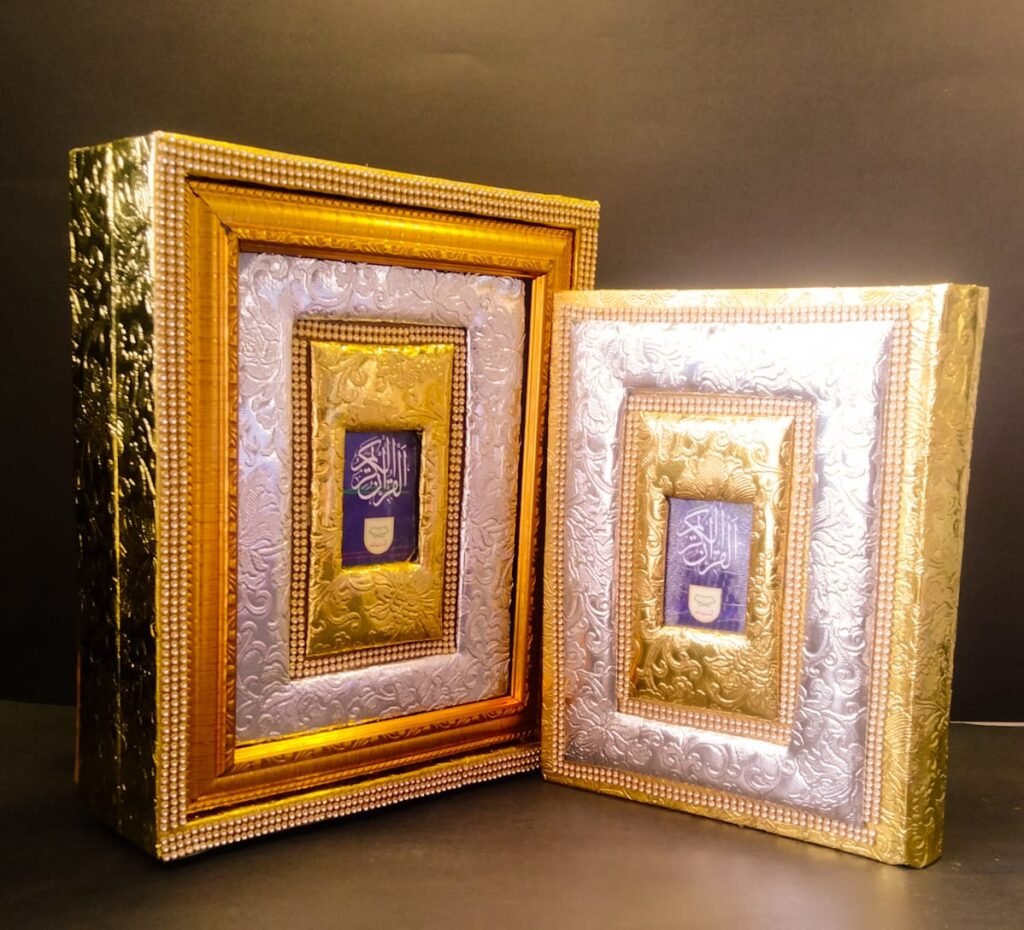
A Quran cover or zippered pouch
A special Quran storage box
Avoid storing your Quran in places that can become dirty, such as:
Under the bed
On the floor
Near shoes
In moist areas
A Quran cover is one of the simplest yet most effective ways to protect your mushaf. It helps prevent:
Dust
Spills
Sunlight damage
Pages bending
Wear and tear
Choose a high-quality cover with:
Soft inner lining
Secure zip
Protective padding
Some covers even come with pockets for Tasbeeh or markers, making them ideal for regular users.
Many Qurans have thin, delicate pages—so careful handling is essential.
Turn pages gently
Avoid using sharp objects as bookmarks
Keep nails trimmed when flipping pages
Do not fold page corners
Always use smooth fingers, not fingernails, to separate pages
Small tears can grow bigger quickly, so handle each page with care and love.
A rehal (book stand) keeps the Quran elevated and makes recitation more comfortable, especially during long sessions.
Keeps Quran at an ideal angle
Helps maintain correct posture
Prevents neck and back strain
Protects Quran from touching the floor
Organizes your recitation space
Rehals are available in:
Wood
Folding style
Carved designs
Travel-friendly versions
Accidental spills are one of the most common causes of Quran damage.
For protection:
Don’t recite while eating
Keep drinks away
Avoid using pens without caps
Do not annotate directly on the Quran (unless with scholarly guidance)
If the Quran is damaged by food or drink, the stains often become permanent.
Direct sunlight can:
Fade the cover
Damage the binding
Yellow the pages
High temperatures or humidity can cause:
Warping
Smell
Mold
On shaded shelves
In moderately cool rooms
Away from heaters
Not near windows
Proper climate control helps preserve your Mushaf for years.
Cleaning should always be gentle.
Use a soft, dry cloth
Avoid wet wipes or liquids
Dust the cover and edges regularly
Keep hands clean while cleaning
Store it immediately after cleaning
Never use cleaning sprays on Quran pages as they can damage them permanently.
Dog-earring pages weakens the corners and ruins the look of the Mushaf.
Instead, use:
Cloth bookmarks
Ribbon markers
Magnetic bookmarks (gentle ones only)
Many Qurans come with built-in ribbons that are perfect for marking your place.
Unless you are studying with a teacher, it’s better not to write:
Notes
Highlights
Underlines
Instead:
Use a notebook
Use sticky notes (outside the margins)
Write reflections in a separate diary
This keeps the Mushaf pure and free from unnecessary markings.
If you have:
Tajweed Qurans
Translation Qurans
Punj Para sets
Full 30-Para sets
Pocket editions
Keep them organized by:
Size
Type
Frequency of use
This prevents damage and makes recitation easier.
Kids often pull pages accidentally or mishandle the Quran unintentionally.
To wash hands
To sit properly
Not to place the Quran on the floor
To turn pages slowly
To keep the Quran safe
Learning respect early makes them responsible caretakers when they grow older.
If you travel frequently with your Quran or Punj Para:
Use padded bags
Keep it away from water bottles
Wrap it in a soft cloth
Store it upright in a backpack
Travel damage is common, but preventable with simple protection.
If your Quran is damaged:
Do NOT use tape inside the pages
Avoid gluing pages
Consult a specialist for delicate repairs
Some Islamic bookstores offer Quran repair services to restore:
Binding
Torn pages
Loose covers
Saving a mushaf is an act of respect and love.
Surprisingly, one of the best ways to protect your Quran is to use it regularly.
Daily recitation:
Prevents pages from sticking
Maintains page flow
Keeps it dust-free
Strengthens the binding naturally
A Quran that is regularly used stays healthier than one left untouched.
Caring for your Quran is a beautiful act of respect, devotion, and love for Allah’s words. By using simple protective methods—like proper storage, clean handling, and using a rehal—you can keep your Mushaf safe and in perfect condition for many years.
Remember:
The way you care for the Quran reflects your relationship with Allah’s guidance.
Treat it with love, protect it with care, and recite it consistently — this is the true spirit of honoring the Book of Allah.
Store it on a clean, elevated shelf or rehal, away from moisture and direct sunlight.
It’s better to avoid writing unless supervised by a teacher. Use a notebook for reflections.
Use a soft, dry cloth. Never use water or chemicals.
Do not tape it yourself. Get it repaired professionally if possible.
Use a padded cover or bag and avoid keeping liquids nearby.