Difference Between Quran Tafseer and Translation
Many Muslims in Pakistan read the Holy Quran daily, especially in Ramadan and other blessed times. While reading, people often…

The Holy Quran has been translated into many languages so Muslims around the world can understand its message. In Pakistan, Sindhi is one of the oldest and most widely spoken regional languages. Many people who speak Sindhi prefer to read the Quran with translation in their own language for better understanding.
A common question is: who translated the Quran into Sindhi for the first time? In this article, we will explain the history of the first Sindhi translation, the scholars involved, and why Sindhi Quran translations remain important today.
Historians generally credit the first Sindhi translation of the Quran to Akhund Azizullah, also known as Akhund Azizullah Muttalawi. He was an Islamic scholar from Sindh who lived in the 18th century.
He translated the meanings of the Quran into Sindhi so local Muslims could understand Allah’s message in their native language. At that time, most people in Sindh did not understand Arabic deeply, so this translation helped spread Quranic knowledge among the general public.
His work is considered one of the earliest efforts to make Quranic teachings accessible in the Sindhi language.
During earlier centuries, many Muslims in the Indian subcontinent recited the Quran in Arabic but relied on scholars for explanation. Translating the Quran into Sindhi helped:
Even today, many Pakistani Muslims prefer reading the Quran with translation. Some read in Urdu, while others look for regional translations like Sindhi.
After the first Sindhi translation, several scholars worked on improving and explaining Quranic meanings in Sindhi.
One well-known scholar was Muhammad Hashim Thattvi, who contributed to Islamic literature and teaching in Sindh. His work helped strengthen Quran understanding in the region.
Another famous name is Taj Mahmood Amroti, a respected scholar who prepared Sindhi tafsir and explanations of the Quran. His efforts made Quranic knowledge easier for Sindhi-speaking Muslims in later generations.
These scholars played an important role in spreading Islamic education in Sindh.
Many people confuse translation with tafsir, but both are different.
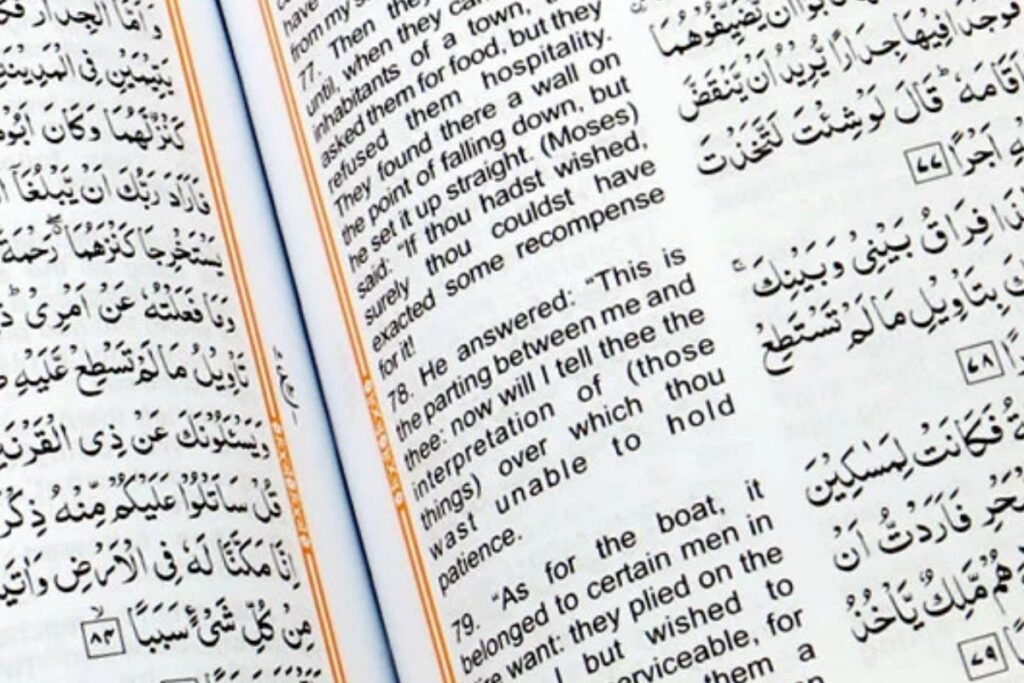
Translation means converting Quranic meaning into another language word by word or sentence by sentence.
Tafsir means detailed explanation, including:
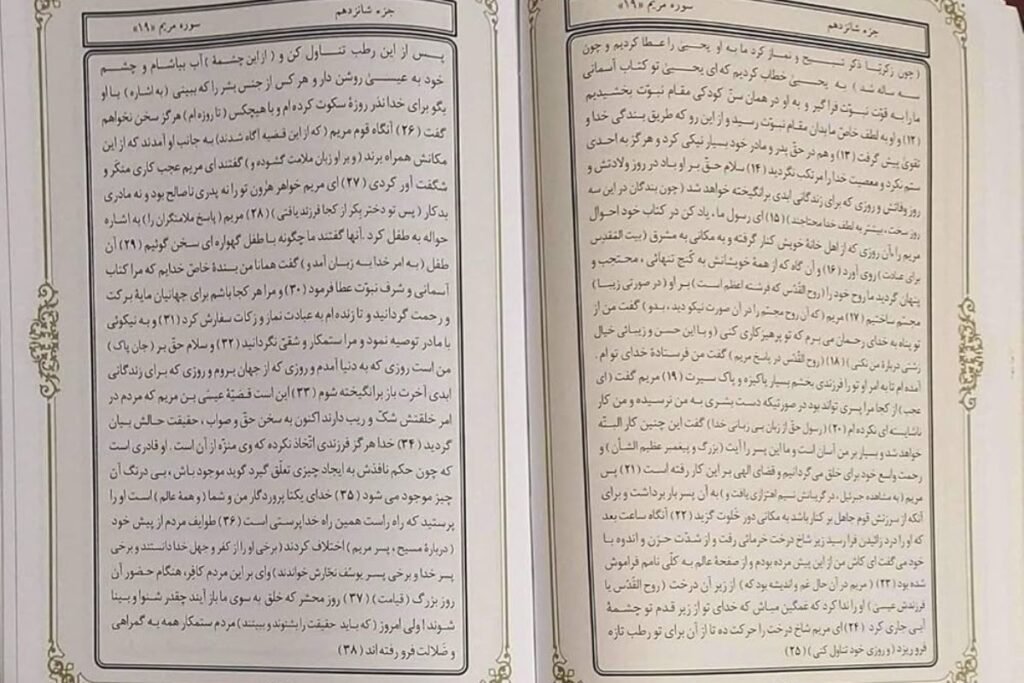
Some Sindhi works are simple translations, while others include tafsir for deeper understanding.
Reading the Quran in Arabic brings reward, but understanding its meaning brings guidance for daily life. That is why many scholars encourage Muslims to read with translation.
Benefits include:
Students, parents, and elders all benefit from reading the Quran with translation.
Pakistan has many regional languages including Punjabi, Sindhi, Pashto, and Balochi. Providing Quran translations in these languages helps spread Islamic knowledge to every household.
Sindhi translation is especially important because:
Because of this, scholars continue publishing Sindhi Quran translations and Islamic books.
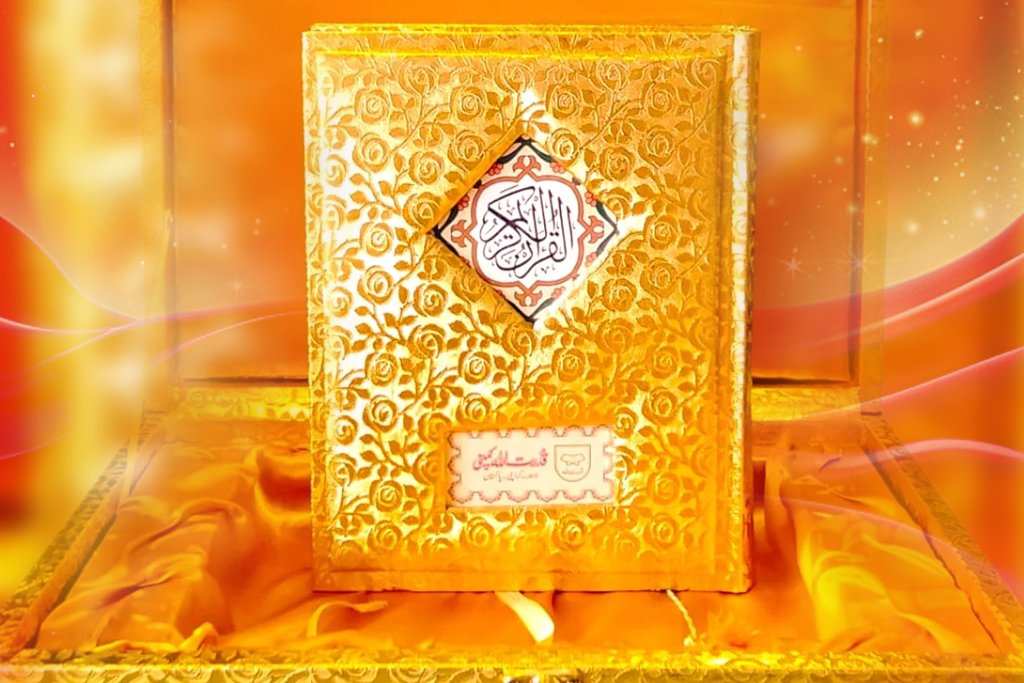
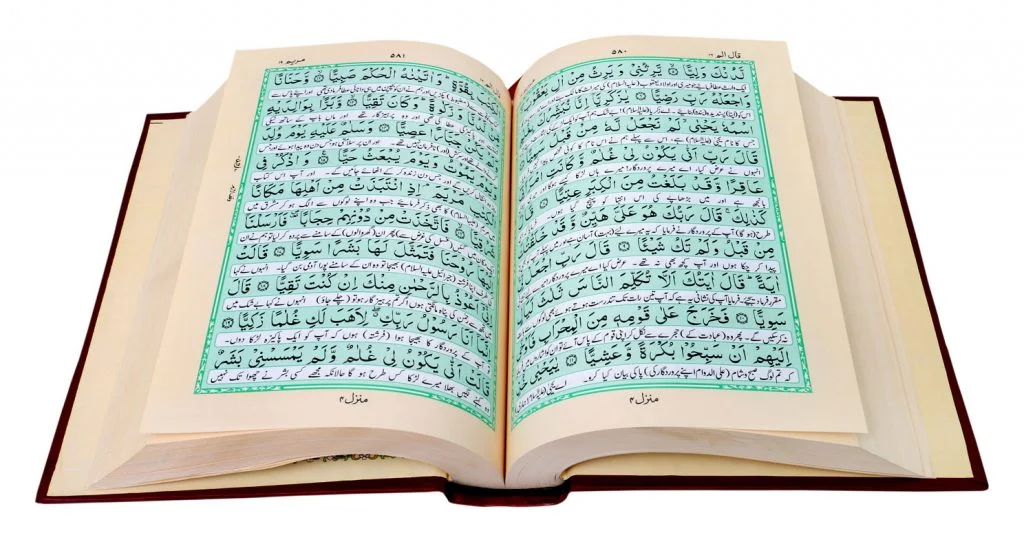
Today, many Islamic publishers in Pakistan print Quran copies with different translations and formats. One such trusted Islamic store is Qudratullah Company, which provides various Quran editions, para sets, and Islamic learning materials.
Such publishers help:
Their work continues the mission started by early scholars who translated the Quran into local languages like Sindhi.
The first Sindhi translation of the Quran is widely attributed to Akhund Azizullah, whose effort helped Sindhi-speaking Muslims understand the message of the Holy Quran in their own language. Later scholars such as Muhammad Hashim Thattvi and Taj Mahmood Amroti further contributed to Quran education and explanation in Sindh.
Today, Quran translations remain an important tool for learning Islam, strengthening faith, and applying Quranic teachings in daily life. Whether someone reads in Sindhi, Urdu, or English, the goal is the same: to understand Allah’s message and follow it sincerely.