Who Translated the Quran in Persian?
The Persian language has a long and rich connection with Islamic scholarship. Many Muslims who speak and understand Persian rely…
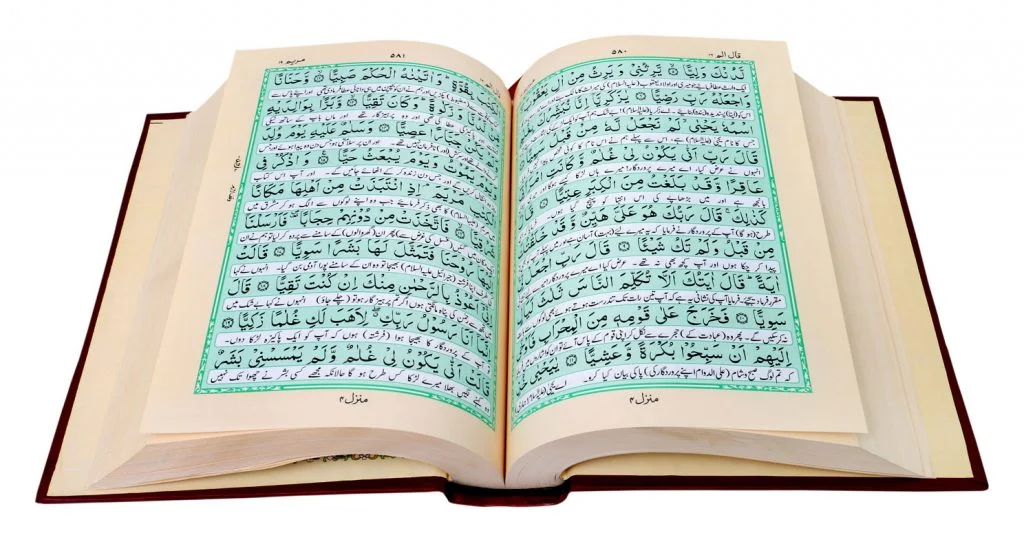
Many Muslims in Pakistan read the Holy Quran daily, especially in Ramadan and other blessed times. While reading, people often see two terms: translation and tafseer. Some think both mean the same, but actually they are very different. Understanding this difference helps you choose the right Quran for your learning and ibadat.
In this guide, we will explain in simple language what Quran translation is, what tafseer is, and which one you should read.
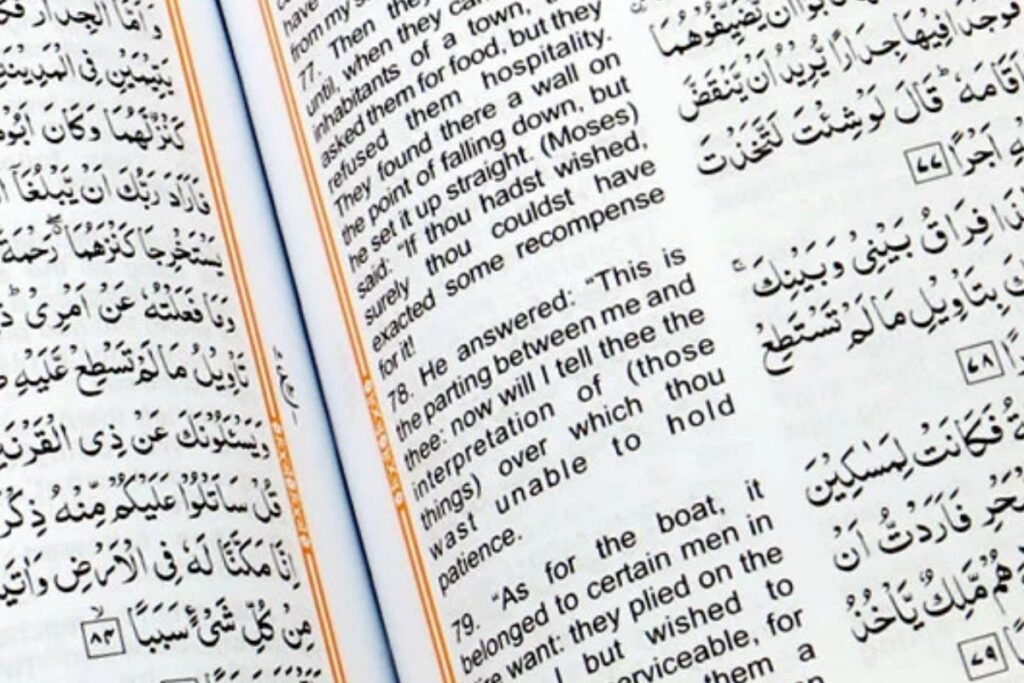
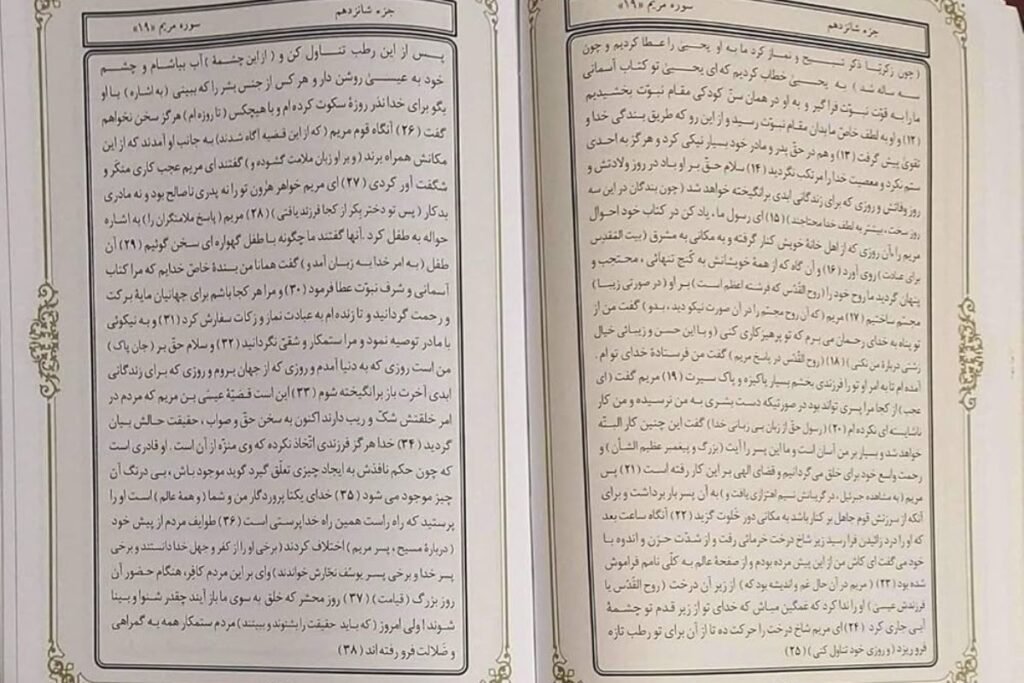
Quran translation means converting the meaning of Arabic Quranic words into another language, such as Urdu, English, or Persian. The goal is to help readers understand what Allah says in each verse.
A translation usually includes:
Translation focuses only on the basic meaning, not deep explanation.
For example, when someone reads Quran with Urdu meaning, they understand what the verse says but may not know:
Tafseer is a detailed explanation of Quranic verses written by Islamic scholars. It goes beyond translation and explains the full message, context, and lessons.
Tafseer usually includes:
In simple words:
Translation tells you what the verse says
Tafseer tells you what the verse means and how to understand it
Translation gives a quick understanding of Quranic meaning. Tafseer provides deep explanation and learning.
Translation is short and simple. Tafseer is long and detailed.
Translation is suitable for beginners and general readers. Tafseer is better for students, scholars, and serious learners.
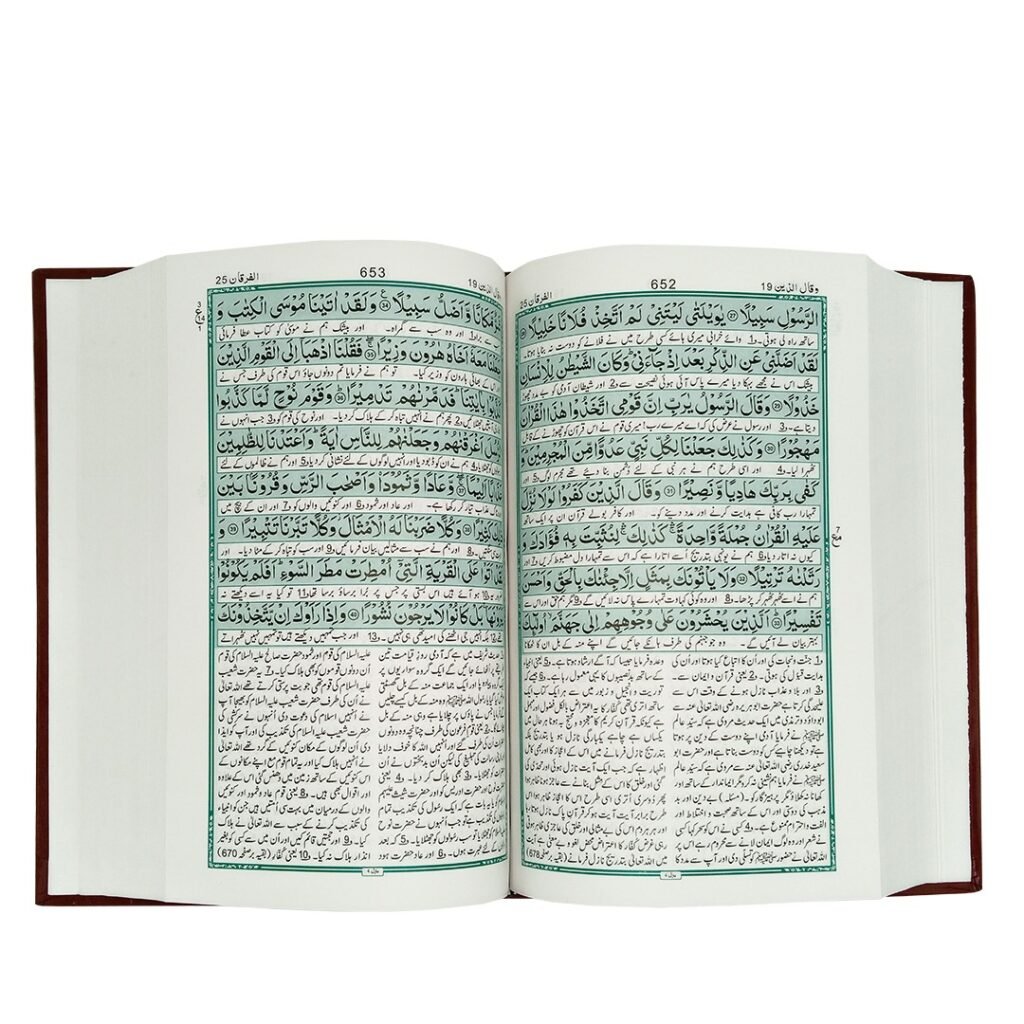
Translation usually fits on the same page with Arabic text. Tafseer may take several pages to explain one verse.
Translation helps in daily recitation and basic understanding. Tafseer helps in Islamic study, lectures, and teaching.
For most Pakistani Muslims, the best approach is:
Start with translation → then move to tafseer
If someone is:
Many families keep both at home: one Quran for recitation and translation, and tafseer books for study.
Pakistan has a strong tradition of Quran translation. Some well-known scholars whose translations are widely read include:
Their Urdu translations are commonly used in Pakistani homes, schools, and mosques.
Reading Quran with translation helps:
For students or professionals comfortable in English, you may also explore Quran with English translation:
/product-category/quran/quran-with-english-translation/
This is helpful for young Pakistanis studying in English-medium systems.
Tafseer gives deeper understanding and stronger faith. It helps:
Scholars usually recommend tafseer for:
Technically yes, but it is better to read the translation first. Tafseer assumes you already understand the basic meaning of the verse. Without translation, tafseer may feel difficult.
A simple method is:
Read Arabic → read translation → read tafseer explanation
This step-by-step approach gives the best understanding.
The difference between Quran translation and tafseer is simple but important. Translation gives the basic meaning of Quranic verses, while tafseer provides detailed explanation, context, and lessons from scholars.
For most Muslims in Pakistan, starting with translation is the best step. Once you understand the basic meaning, tafseer helps you go deeper into the wisdom of the Holy Quran.
Both translation and tafseer are valuable. Together, they help Muslims not only recite the Quran but also understand and follow its guidance in everyday life.